Uncover the Crucial Functions Provided by a CG Contractor for Your Construction Job
In the world of development, a CG contractor is critically important in guaranteeing successful projects. Their offerings include comprehensive project oversight, cost management, and coordination of various stakeholders. This skill set doesn't just simplify processes but also ensures legal conformity and standard maintenance - Hickory top rated Commercial General Contractor. Knowing these key functions can greatly influence the result of your build. What key advantages can a general contractor provide for next construction job?
Full Project Control
Thorough project management is necessary for the effective delivery of building initiatives. It requires a organized strategy that encompasses planning, coordination, and control of a project from start to finish. A construction manager is critical in this process, guaranteeing that all project components match up with the client's vision and compliance mandates.
Successful project oversight means establishing project scopes, timelines, and expected outcomes while ensuring open dialogue among team members. The contractor manages sub-trades, manages resources, and ensures high standards to ensure the project meets defined requirements. Additionally, a comprehensive management plan utilizes risk management techniques to spot issues ahead of time and formulate backup strategies.
Ultimately, effective oversight encourages cooperation, makes execution smoother, and boosts the probability of delivering a project on time and within the specified guidelines, consequently boosting client satisfaction and a good result.
Financial Planning and Cost Management
Successful project oversight requires the need for strict financial planning and financial oversight. A GC is key in creating the monetary plan for a project. This involves detailed cost estimation based on project specifications, labor, materials, and tools. By recognizing budget threats in advance, the contractor can implement strategies to mitigate these challenges, making certain that the project remains within budget.
Additionally, regular review of costs throughout the project lifecycle is critical. The contractor uses established procedures to monitor expenditures versus the budget, enabling proactive adjustments as needed. This meticulous methodology not only helps in avoiding cost overruns but also enhances financial accountability among all stakeholders. Crucially, good budgeting and expense control create a clear fiscal atmosphere, enabling well-grounded decisions and resource allocation, a necessity for the successful execution of any building endeavor.
Orchestrating Subcontractor and Supplier Activities
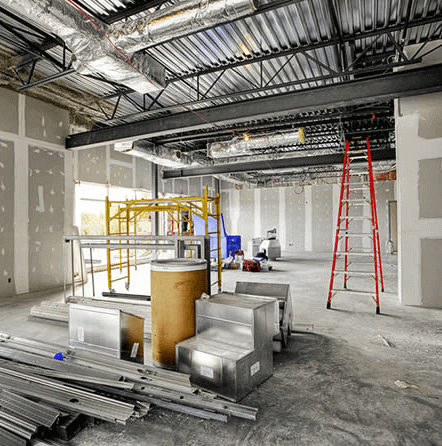
During the execution of a project, the coordination of subcontractors and suppliers is crucial for ensuring smooth operations and adhering to schedules. A commercial general contractor plays a pivotal role in coordinating these interactions, guaranteeing alignment among all parties with the project schedule and deliverables. Effective communication between the general contractor, suppliers, and subcontractors is vital to mitigate delays and avoid expensive miscommunications.
The contractor manages the planning of subcontractor work sequences, thereby streamlining workflow and improve the distribution of resources. In addition, the contractor explanation handles sourcing supplies from suppliers, making certain that required materials arrive according to the schedule and budget. By supervising these crucial exchanges, the GC can quickly resolve emerging problems, facilitating a smoother construction process. Ultimately, this coordination not only enhances project efficiency but also is key to the successful outcome of the construction endeavor, guaranteeing a flawless assembly of all parts.
Following Construction Laws and Rules
Meeting all construction laws and regulations is a primary obligation of a commercial general contractor, as failure to adhere to these standards may result in major legal and financial penalties. A commercial general contractor is required to deeply understand of federal, state, and local laws that pertain to construction work. Their specialized skill permits them to manage complicated regulatory systems, guaranteeing that all elements of the job—from concept to build-out—satisfy all mandated criteria.
Furthermore, GCs frequently collaborate with regulatory bodies, engineers, and architects to confirm that specifications and plans meet code standards. By performing frequent checks and evaluations, they can identify potential compliance issues early, mitigating risks and avoiding costly delays. Ultimately, a strong commitment to regulatory compliance does more than just protect the GC's standing but also secures the client's best interests, ensuring that projects are completed successfully and without undue difficulty.
Safety Oversight and Quality Control
Ensuring quality and managing safety are essential elements of a commercial general contractor's role, directly impacting the success and integrity of construction projects. These factors guarantee that all work abides by defined specifications
A trusted contractor maintains comprehensive inspection processes to verify that materials and workmanship comply with project specifications - Hickory top rated Commercial General Contractor. Scheduled site assessments are conducted to locate possible risks and copyright safety rules among workers. This forward-thinking strategy safeguards staff but also avoids expensive hold-ups and rework caused by safety incidents or quality issues
Moreover, effective communication between the contractor, subcontractors, and suppliers is vital for keeping standards high throughout the project lifecycle. By focusing on quality control and safety oversight, a commercial general contractor cultivates responsibility, leading directly to the successful completion of projects on time and under budget
Commonly Asked Questions
Which Projects Can a Commercial General Contractor Manage?
A commercial general contractor can handle various projects, including business centers, retail spaces, warehouses, industrial facilities, remodeling jobs, and new constructions. They oversee the whole operation, making sure quality is maintained, compliance, and punctual finishing of each project.
How Should I Select the Right Commercial General Contractor?

To choose the right commercial general contractor, one should review their expertise, contact previous clients, assess financial stability, review past work, and guarantee clear communication. A detailed choosing method can ensure successful completion.
What Can I Anticipate During the Initial Consultation?
During the initial consultation, clients can expect discussions about project goals, timelines, cost projections, and the contractor's abilities. This meeting serves as a foundation for establishing mutual understanding and setting clear expectations between the client and contractor.
How Do Builders Handle Project Timelines Effectively?
Contractors efficiently handle project timelines by using careful planning, establishing specific targets, managing timetables, and keeping communication flowing with all stakeholders. They also adjust resources as needed to mitigate delays and reduce possible hold-ups.
What Advantages Come From Employing a General Contractor Versus DIY?
Hiring a general contractor provides professional skill, project management, and the availability of a network of qualified experts. This ensures superior craftsmanship, adherence to deadlines, and compliance with regulations, ultimately reducing anxiety and unnecessary expenses when measured against doing it yourself.